
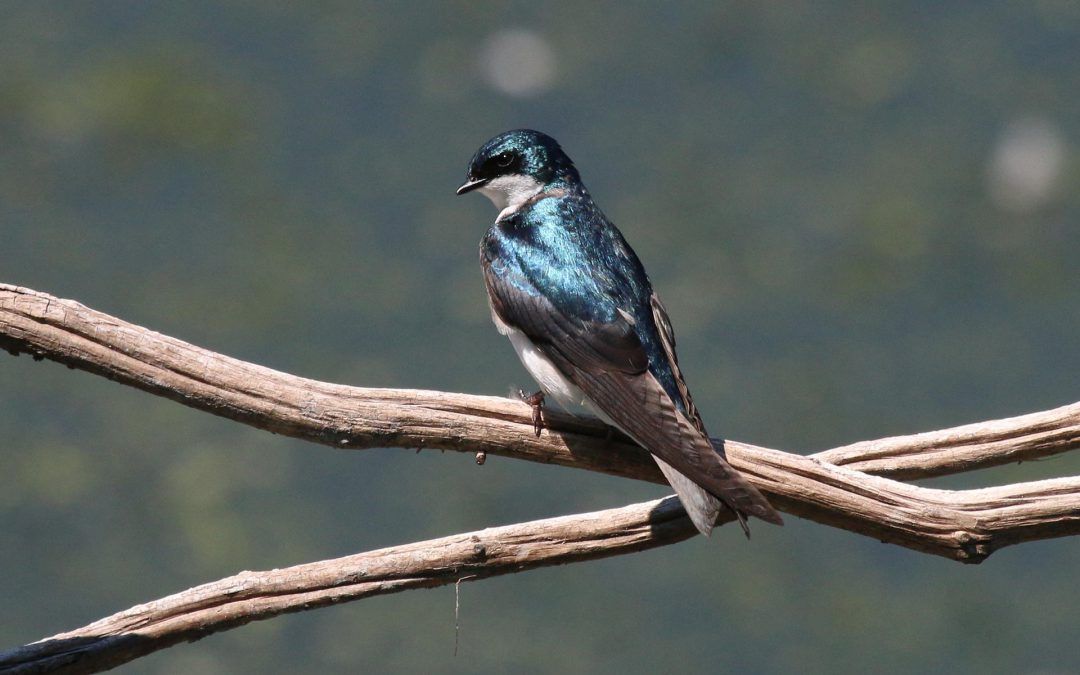
According to The State of Canada’s Birds Report, there is good news for some groups of birds in Canada. Overall, waterfowl, birds of prey and wetland bird populations are increasing. Unfortunately, the same can’t be said about others including shorebirds and aerial insectivores.
Many shorebirds and aerial insectivores in Canada are struggling. Since 1980 shorebird populations have declined by 42 per cent and since 1970 aerial insectivore populations have declined by 43 per cent. While things may be starting to turn around for some aerial insectivore populations, their future is still very uncertain. Climate change, which is having an impact on when insects emerge and increasing the likelihood of droughts, as well as declines in insect populations, pesticide use and loss of habitat are taking a toll on these birds.
Being a shoreline property owner provides a unique opportunity to lend a helping hand — not only to birds but to amphibians, reptiles, insects, fish and more. One of the best things we can do is leave our shorelines natural. Maintaining a shoreline buffer of native plants on our properties not only provides primary habitat for many birds but also provides supporting habitat for others. While any size buffer will help, it’s recommended that it be at least 10 metres wide, with an ideal depth of 30 metres. A healthy shoreline buffer provides important resting and nesting cover and provides important sources of insects and other forage items. But the benefits don’t stop there.
A healthy shoreline buffer will:
- Create shade to help cool the water providing refuge for fish and other animals
- Slow down the flow of runoff — reducing contaminants from entering the lake
- Reduce erosion — the roots from vegetation help hold soil in place
- Reduce flooding — vegetation and other natural features slows down runoff giving it a chance to seep into the soil
- Help protect property values
And there’s one more benefit! Having a buffer means less space to mow, giving you more time to rest and relax! You can let seeds that have been brought in by wind and wildlife grow while also growing some of your favourite native plants — perhaps there are certain birds or pollinators you’d like to attract or plants that produce flowers in your favourite colour.
You’ll really be showing your lake some love and providing welcoming habitat for wildlife that can really use a helping hand.